
What Type of Flooring Is Best for Your Lifestyle?
Choosing the right flooring for your home is crucial, as it affects not only the aesthetic appeal but also the functionality and comfort of your living space. This article explores different types of flooring, helping you decide which is best suited for your lifestyle.
Section 1: Hardwood Flooring
Aesthetic Appeal of Hardwood
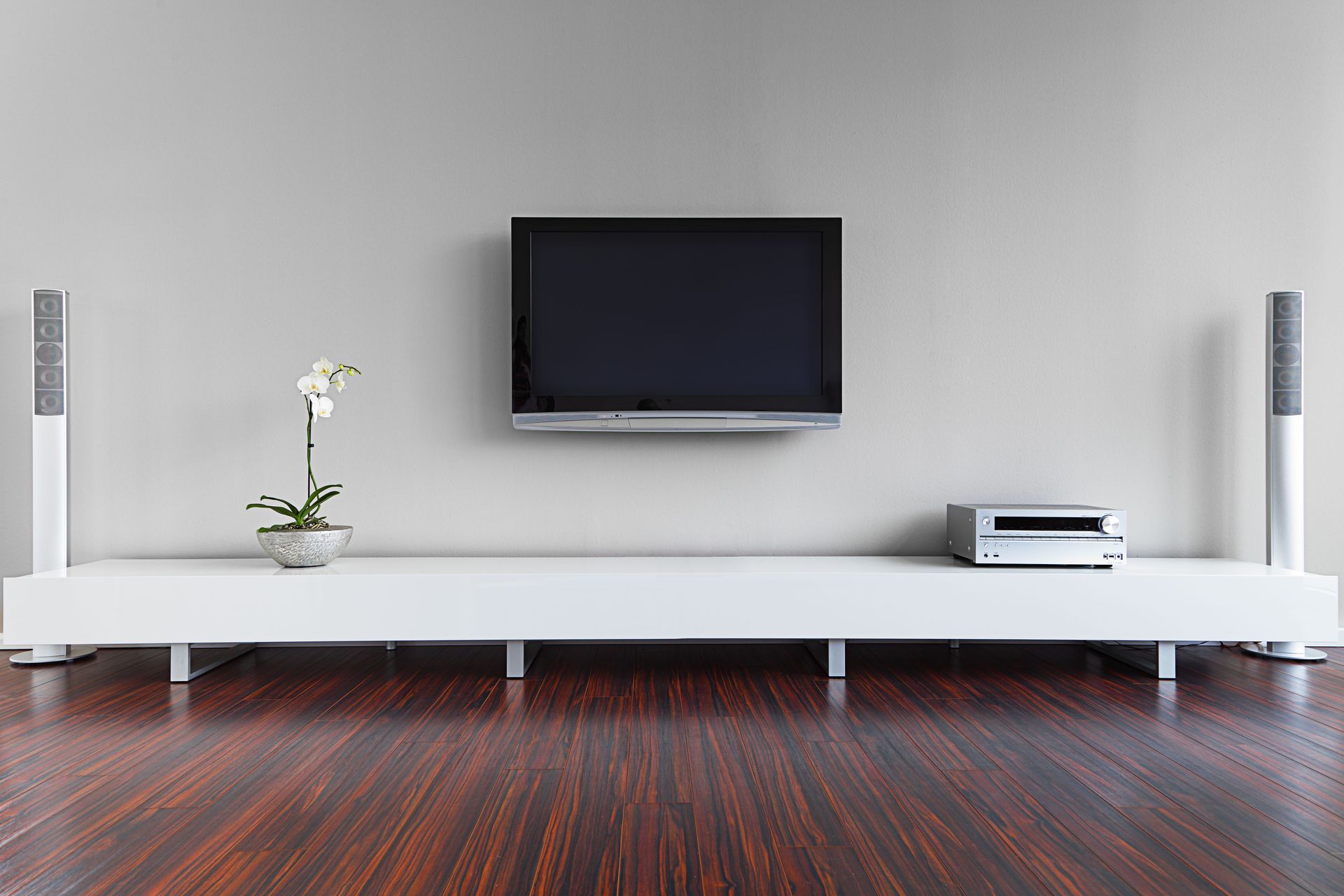
Hardwood flooring is renowned for its timeless and classic aesthetic appeal. The natural beauty of wood grain adds a sense of elegance and warmth to any room. With varying shades from light oak to deep mahogany, hardwood can complement a wide range of interior styles. It is a popular choice among homeowners looking for sophistication and natural texture. Moreover, hardwood's ability to age gracefully over time often adds an extra layer of charm to your home.
Beyond its natural beauty, hardwood floors offer a certain versatility. They can be refinished multiple times to remove scratches or to update the stain, which can refresh the look without a complete replacement. This adaptability makes hardwood an appealing option for homeowners who like to redecorate periodically. Additionally, with proper care and maintenance, hardwood floors can last for decades. Their enduring nature makes them a long-term investment that can enhance the value of your home.
Hardwood floors are also appealing because they can improve indoor air quality. Unlike carpet, which can trap dust, pet dander, and allergens, hardwood does not harbor these irritants. This can be especially beneficial for those with allergies or respiratory conditions. Maintaining clean hardwood floors is relatively straightforward, usually requiring regular sweeping and occasional mopping. The surface is resistant to stains, which helps keep it looking immaculate with minimal effort.
Durability and Maintenance of Hardwood
Hardwood flooring is generally durable, standing up well to everyday wear and tear. However, it can be susceptible to scratches, dents, and water damage, requiring mindful maintenance. Using area rugs in high-traffic areas and placing felt pads under furniture can help protect the surface. Regular sweeping and periodic refinishing can extend the life of your hardwood floors. It's important to address spills promptly to prevent warping, especially in moisture-prone areas like kitchens and entryways.
To maintain the beauty of hardwood flooring, homeowners should consider the type of finish applied to the wood. A polyurethane finish offers a durable barrier against daily wear, while an oil finish can enhance the natural look of the wood. Both finishes require specific maintenance routines to preserve their effectiveness and appearance. Understanding these maintenance practices is key to maximizing the lifespan of your hardwood floors. Preventive measures, such as managing humidity levels, can also mitigate potential issues like warping and shrinkage.
Despite the need for regular maintenance, many homeowners find the long-term benefits of hardwood flooring outweigh the upkeep. When compared to other flooring materials, hardwood can add resale value and allure to your home. According to HomeGuide, flooring installation typically requires 1 to 3 days, making hardwood a relatively quick and efficient option. The balance of beauty, functionality, and investment potential makes hardwood a desirable choice for many. Properly cared for, these floors can serve as the stunning foundation for any room in the home.
Cost Considerations for Hardwood
The cost of hardwood flooring usually reflects its enduring appeal and longevity. Hardwood is generally more expensive than other flooring options, but it is considered a worthwhile investment due to its long-lasting nature. Prices can vary significantly based on the type of wood, with exotic varieties like teak or Brazilian cherry being more costly than standard options like oak or maple. In addition to the material cost, installation expenses can add to the total project price. Professional installation ensures the floors are fitted correctly and helps avoid potential issues down the line.
Aside from material and installation costs, it's important to consider the ongoing expenses related to the maintenance of hardwood floors. Refinishing costs can arise every few years, depending on foot traffic and the level of wear and tear. Investing in quality cleaning products and protective rugs can also contribute to the overall expenses. However, these expenditures can be viewed as a preventative measure that extends the life and enhances the appearance of the floors. The initial cost may be higher, but the potential for increased home value could compensate for these upfront expenses.
Moreover, hardwood floors offer the potential for energy savings, as they help to insulate the home. Their dense nature and ability to absorb and retain heat can aid in reducing heating costs during colder months. This environmental benefit adds an extra layer of economic appeal to choosing hardwood for your flooring needs. In the long run, homeowners may find that investing in hardwood offers a blend of aesthetic appeal, economic efficiency, and improved home value. Balancing initial cost outlays with potential savings and returns is crucial when considering hardwood flooring.
Sustainability and Environmental Impact
When assessing the sustainability of hardwood, it's important to consider the source of the wood. Opting for certified sustainable sources, such as those endorsed by the Forest Stewardship Council (FSC), can help ensure that the wood harvesting methods are environmentally responsible. Sustainable forestry practices aim to protect biodiversity and regenerate harvested forests, minimizing the impact on ecosystems. Choosing reclaimed or recycled hardwood can further promote sustainability, as it reduces the demand for new trees. Many manufacturers also use eco-friendly finishes and adhesives to lessen the environmental footprint.
One of the appealing aspects of hardwood floors is their biodegradability compared to synthetic materials like laminate or vinyl, which can persist in landfills for centuries. As an organic material, wood decomposes back into the earth without releasing harmful toxins. This lifecycle advantage positions hardwood as a more environmentally friendly option. Furthermore, advancements in wood processing and transportation have reduced the energy consumption associated with hardwood flooring. These factors combine to make hardwood a more sustainable choice for eco-conscious homeowners.
In terms of indoor air quality, hardwood flooring emits fewer volatile organic compounds (VOCs) than other flooring types. VOCs can cause health issues and contribute to indoor air pollution. By choosing hardwood with low-VOC finishes, homeowners can improve air quality and reduce exposure to harmful chemicals. This consideration is particularly important for families with young children or individuals with allergies. As awareness of environmental health continues to grow, sustainable and low-impact flooring options like hardwood are becoming increasingly popular choices.
Lifestyle for Hardwood
Hardwood flooring is often best suited for households that value elegance and are willing to invest in regular maintenance. It complements a wide range of interior styles, from classic to modern, making it a versatile choice. However, it may not be ideal for homes with high humidity levels or areas prone to moisture, such as bathrooms. Families with pets or young children may need to consider additional measures to protect the floors from scratches and spills. Overall, hardwood is a reliable choice for those willing to balance beauty and maintenance in their living spaces.
The durability and long-lasting nature of hardwood flooring make it an attractive option for homes with moderate to low foot traffic. It's an excellent option for living rooms, dining areas, and bedrooms, where its visual warmth can truly be appreciated. For those who enjoy hosting guests or frequently rearranging furniture, the potential for refinishing offers added flexibility. Hardwood is also a favorable choice for individuals seeking to increase their home's resale value. Its timeless appeal can potentially serve as a considerable asset when selling a property. Be sure to reach out to Cortez Flooring Inc today to learn more about our professional
local flooring company!








Share On: