
Why Cheap Carpet Flooring Wears Out Too Fast
Cheap carpet can seem like a practical way to refresh a room without spending much money. The lower price may be appealing, especially when you're working with a strict renovation budget. However, inexpensive carpet can sometimes wear out sooner than expected, leaving homeowners dealing with matting, stains, fraying, and other problems before they're ready to replace it.
The issue is not always the carpet itself. Padding, installation quality, traffic levels, maintenance habits, and the carpet's construction can all affect how well it performs. Understanding these factors can make it easier to recognize why a low-cost option may not provide the long-term value you expect.
Understand Carpet Quality
Not all carpet is manufactured with the same materials or construction methods. Lower-cost products may use fibers that are more susceptible to crushing, matting, staining, and general wear. The carpet might look attractive when it is newly installed, but its appearance can change considerably after regular use.
Higher-quality carpet is generally designed to withstand repeated foot traffic while maintaining its texture and appearance. When comparing options, homeowners should consider the carpet's fiber type, density, construction, and overall durability rather than looking only at the initial price. Experienced flooring contractors can also help explain how different materials may perform in a particular home.
A cheaper carpet may make sense for a room that receives very little activity, but the same material may struggle in a busy hallway, living room, or entryway. Matching the carpet to the demands of the space can help prevent premature deterioration.
Carpet construction can also affect how noticeable everyday wear becomes. Some styles are better at disguising minor marks, while others can make flattened fibers or traffic paths particularly visible. Considering both performance and appearance can help homeowners select an option that continues to look appealing as it ages.
Evaluate Carpet Padding
Padding sits beneath the carpet and plays an important role in how the finished flooring feels and performs. It provides cushioning, supports the carpet fibers, and helps the surface respond to repeated foot traffic. Choosing a thin or low-quality pad simply to reduce project costs can affect the performance of the entire installation.
Poor padding can contribute to premature crushing and uneven wear because the carpet does not receive adequate support underneath. It can also affect comfort and the way the flooring feels underfoot. A carpet that appears durable on its own may not perform as expected if it is paired with an unsuitable cushion.
The right padding should be selected alongside the carpet rather than treated as an afterthought. Flooring contractors can help homeowners compare compatible padding options and determine which choice makes sense based on the carpet, room, and expected use.
Padding can also influence how well carpet handles furniture and repeated movement. When the cushion does not provide appropriate support, pressure from everyday activities can become more noticeable over time.
Consider Daily Foot Traffic
Every carpet experiences some degree of wear, but areas with constant activity naturally experience more stress. Hallways, stairs, family rooms, entrances, and other frequently used spaces can develop flattened paths or visible traffic patterns more quickly than rooms that are rarely occupied.
Footwear, furniture movement, children, pets, and repeated walking can all contribute to gradual fiber breakdown. Dirt tracked indoors can make the problem worse because abrasive particles can work their way into the carpet and rub against the fibers with continued use.
Homeowners should consider how a room is actually used before selecting carpet. Choosing a material based solely on appearance or price can create problems if it is not suited to the activity level. Flooring contractors can help identify carpet styles that are appropriate for spaces with heavier everyday use.
Traffic patterns can also vary within the same room. Areas surrounding doorways, furniture, stairways, and frequently used pathways may experience considerably more activity than the rest of the floor. Selecting a carpet designed for the room's busiest areas can help create a more consistent appearance over time.
Maintain Carpet Properly
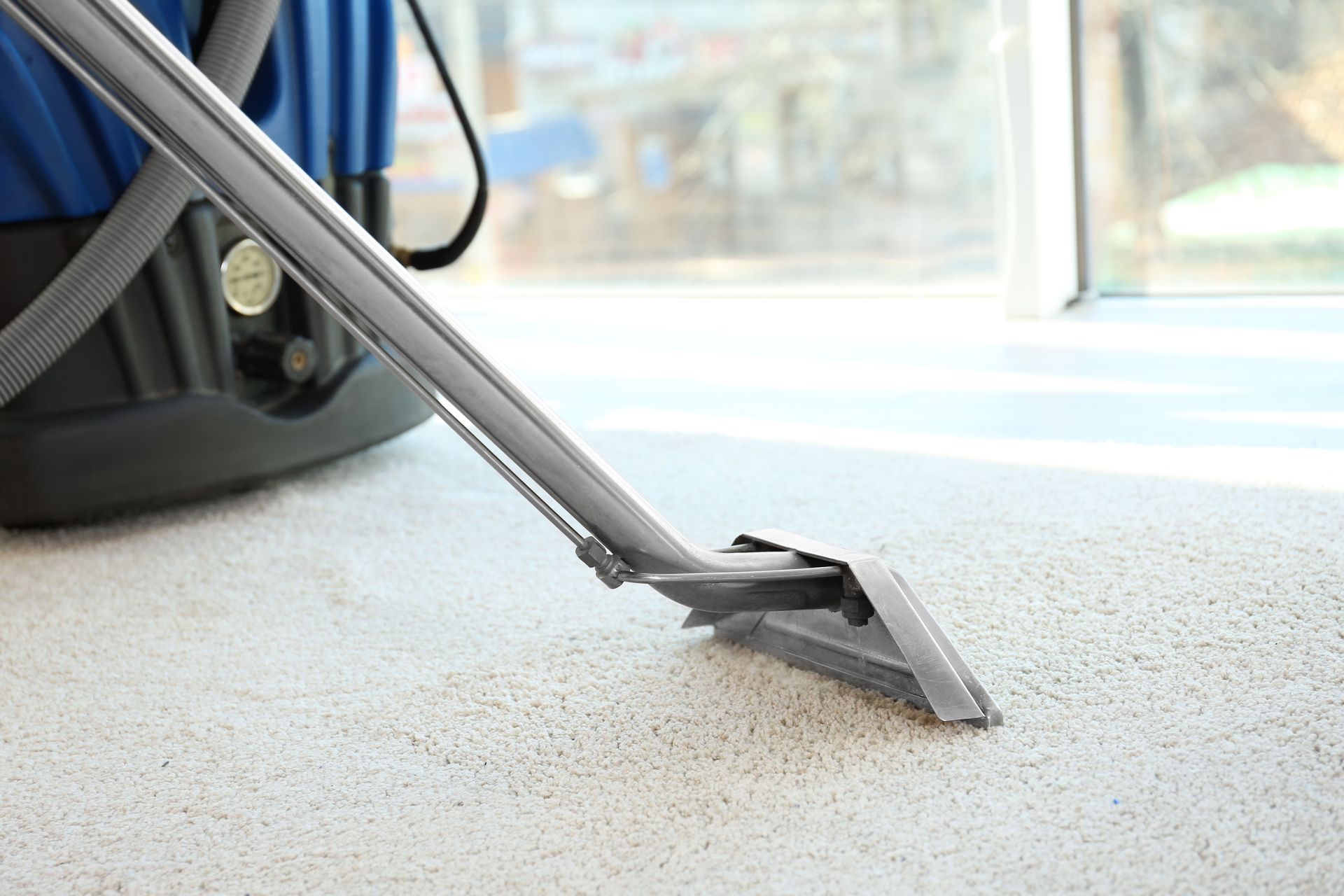
Regular maintenance can have a significant effect on how carpet looks and performs. Dirt and debris should not be allowed to accumulate because particles can become embedded between the fibers and contribute to gradual abrasion. Routine vacuuming can help remove this material before it causes additional wear.
Spills should also be addressed promptly. Allowing moisture or staining substances to remain in the carpet can make cleaning more difficult and may leave behind discoloration or odors. Periodic professional cleaning can provide another opportunity to remove buildup that routine household cleaning may not fully address.
According to HomeGuide, carpet can have a lifespan ranging from 5 to 20 years, with factors such as carpet and padding quality, fiber material, foot traffic, and maintenance influencing how long it remains usable. This illustrates why two carpets installed in different homes may have very different service lives.
Maintenance should also be approached according to the carpet manufacturer's recommendations. Using unsuitable cleaning products or overly aggressive methods can potentially damage certain fibers or finishes. Following appropriate care practices can help preserve the carpet's texture and appearance while reducing unnecessary wear.
Compare Long-Term Value
The lowest purchase price does not necessarily represent the lowest overall cost. If inexpensive carpet needs to be replaced sooner, homeowners may eventually spend more on repeated materials, removal, installation, and preparation.
Comparing products based on their expected performance can provide a clearer picture than looking at price alone. Homeowners should think about how long they expect the carpet to remain in place, how much activity the room receives, and how much maintenance the material requires.
Professional guidance can also make comparisons easier. Flooring contractors can discuss differences between carpet options and help homeowners understand how construction, padding, installation, and room conditions can affect the finished result. This can make the purchasing decision more informed and less focused on the sticker price.
Homeowners should also account for the inconvenience associated with replacing worn flooring. Removing old carpet can require moving furniture, preparing the room, and arranging another installation. Choosing a suitable product from the beginning may help reduce the likelihood of dealing with these disruptions sooner than necessary.
Choose Professional Installation
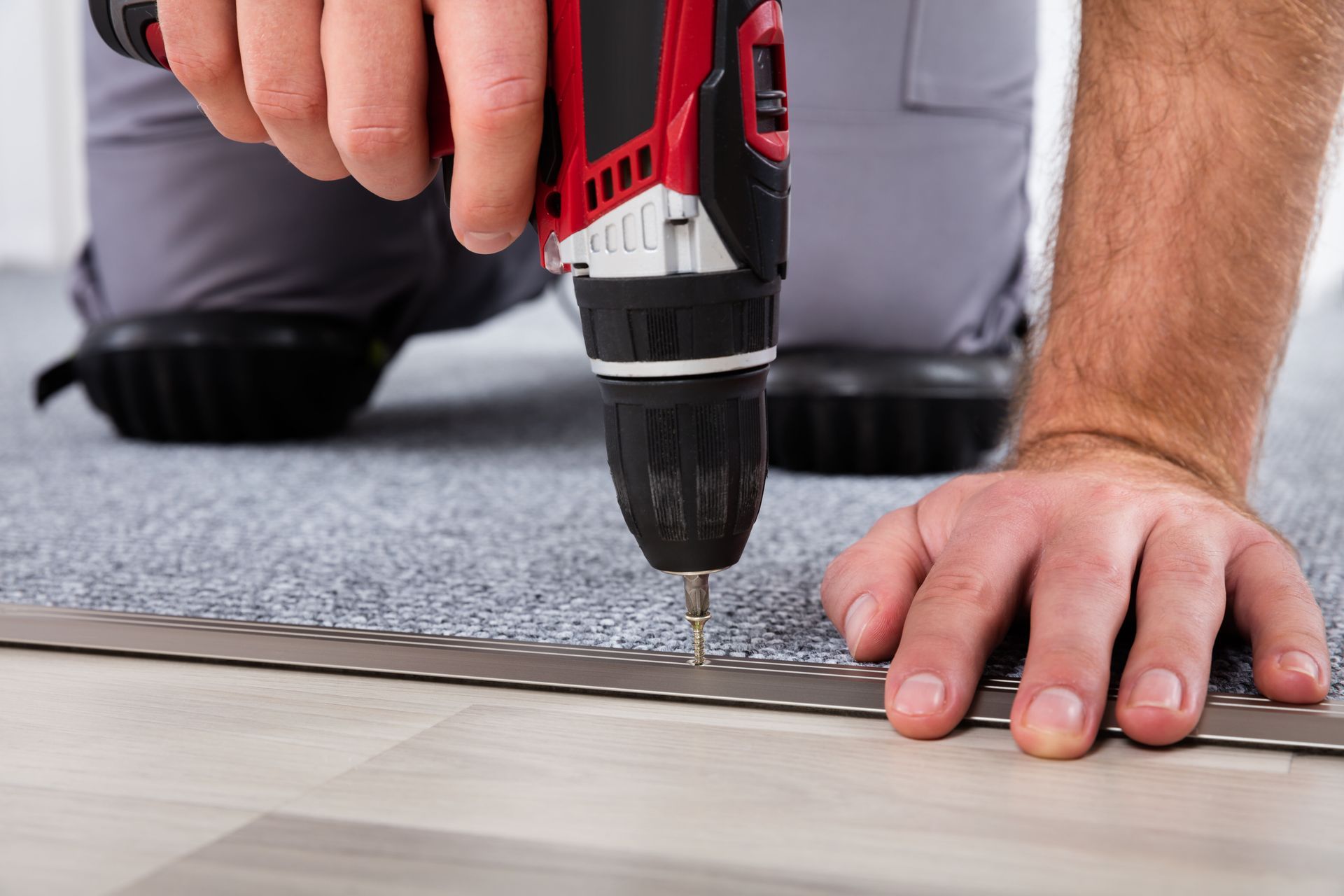
Even quality carpet can perform poorly when it is installed incorrectly. Improper measuring, inadequate preparation, loose carpet, poorly secured seams, or incorrect stretching can contribute to wrinkles, buckling, premature wear, and other avoidable issues.
Professional installation helps ensure the carpet is properly prepared and secured for everyday use. The installer can also identify issues with the subfloor or existing surface that may need attention before the new flooring is placed.
Working with experienced flooring contractors can also help homeowners avoid selecting materials that are poorly suited to their space. A professional can consider the room's traffic, maintenance needs, existing conditions, and desired appearance when discussing available options.
Proper installation can affect more than the carpet's immediate appearance. A well-installed floor should have a finished, even appearance without unnecessary movement or visible installation problems. Careful preparation can also help the carpet interact properly with the padding and underlying surface.
Before purchasing inexpensive carpet, homeowners should therefore consider the entire flooring system rather than focusing only on the material's price. Carpet, padding, preparation, installation, and maintenance all work together to determine how the finished floor performs.
Cheap carpet is not automatically a bad choice, but homeowners should understand what they are sacrificing when selecting a lower-cost product. Fiber quality, padding, traffic, maintenance, and installation can all influence how quickly carpet begins to show signs of wear. Looking beyond the initial price can make it easier to choose flooring that delivers lasting value. For help selecting and installing carpet suited to your home, contact Cortez Flooring Inc and take the next step toward a flooring investment built to last.










Share On: